

Blog
How to Brew Pu’er Tea: A Complete Guide for Beginners & Connoisseurs

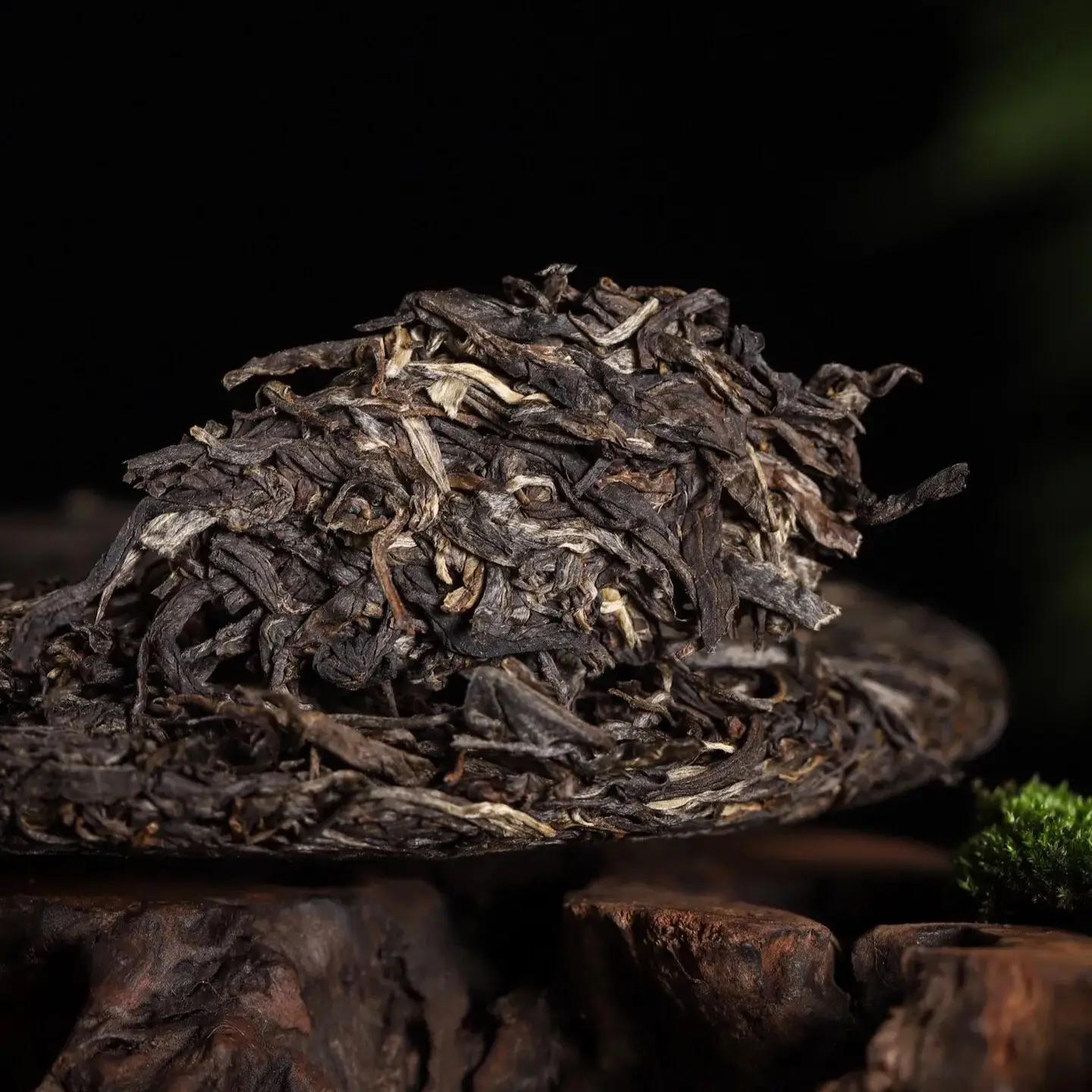
Unlock the Rich, Earthy Flavors of Yunnan’s Legendary Tea | Serene Tea
For thousands of years, pu’er tea (pǔ’ěr chá) has been revered as the “king of teas” in Chinese culture, a living beverage that evolves, deepens, and improves with age—much like a fine wine. Grown exclusively in the misty mountains of Yunnan, China, this unique post-fermented tea is more than just a drink: it’s a bridge to ancient traditions, a symbol of tranquility, and a cornerstone of holistic wellness.
At Serene Tea, we source our pu’er directly from family-owned farms in Yunnan’s most prestigious tea regions, honoring centuries-old cultivation and processing methods to bring you the purest, most authentic pu’er experience. Whether you’re a curious beginner taking your first sip, or a seasoned tea enthusiast looking to deepen your knowledge, this complete guide will walk you through every aspect of pu’er tea.
What Is Pu'er Tea?
Pu’er tea is a distinct category of post-fermented tea, crafted from the large, sun-dried leaves of the Camellia sinensis var. assamica tea plant, native to the mountainous regions of Yunnan Province in southwest China.
What sets pu’er apart from all other teas (green, black, oolong, white) is its unique post-fermentation process: after initial drying and rolling, the tea undergoes a natural microbial fermentation that continues for years, even decades, after packaging. This ongoing fermentation is what gives pu’er its signature earthy, complex flavor profile, and its legendary ability to “age gracefully.”
Key Facts About Pu'er Tea
• Exclusive Origin: True pu’er tea can only be grown in Yunnan, China, per Chinese Geographical Indication (GI) protection.
• Post-Fermented: The only tea category that continues to ferment and improve after production.
• Two Primary Styles: Raw (Sheng) Pu’er and Ripe (Shu) Pu’er, with vastly different flavors and brewing needs.
• Cultural Significance: A core part of Chinese tea culture, tied to the ancient Tea Horse Road and traditional Chinese medicine.
A Brief History of Pu'er Tea
Pu’er tea’s history stretches back over 2,000 years, making it one of the oldest tea traditions in the world:
• Ancient Origins: The first records of pu’er date to the Han Dynasty (206 BCE – 220 CE), when tea from Yunnan was traded along the ancient Tea Horse Road (Chámǎ Gǔdào), a network of routes connecting Yunnan to Tibet, India, and Southeast Asia. Pu’er was valued for its durability (it could be transported for months without spoiling) and its ability to aid digestion for travelers.
• Imperial Favorite: During the Ming and Qing Dynasties, pu’er became a tribute tea for Chinese emperors, cementing its status as a luxury and medicinal beverage.
• Modern Innovation: In the 1970s, Chinese tea masters developed the ripe pu’er (Shu Pu’er) process, an accelerated fermentation method that mimics the natural aging of raw pu’er, making rich, mellow pu’er accessible without waiting decades.
• Global Popularity: Today, pu’er is celebrated worldwide for its unique flavor, health benefits, and collectible value, with tea enthusiasts in Europe, North America, and beyond embracing this timeless Chinese treasure.
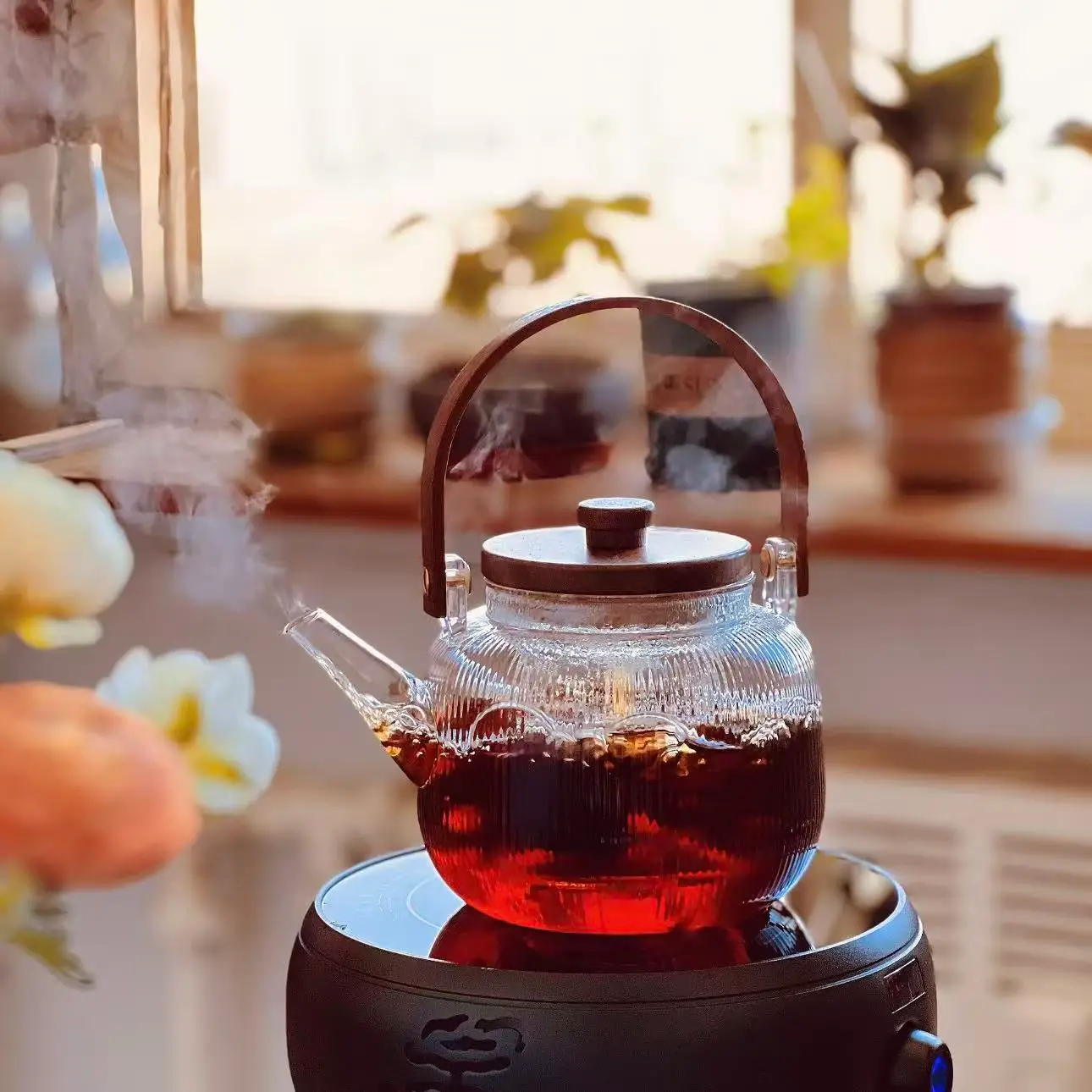
How to Brew Pu'er Tea Perfectly (2 Master Methods)
The way you brew pu’er directly impacts its flavor. Below are the two most popular methods, with specific guidance for raw and ripe pu’er.
Method 1: Traditional Gongfu Cha (Best for Connoisseurs & High-Quality Tea)
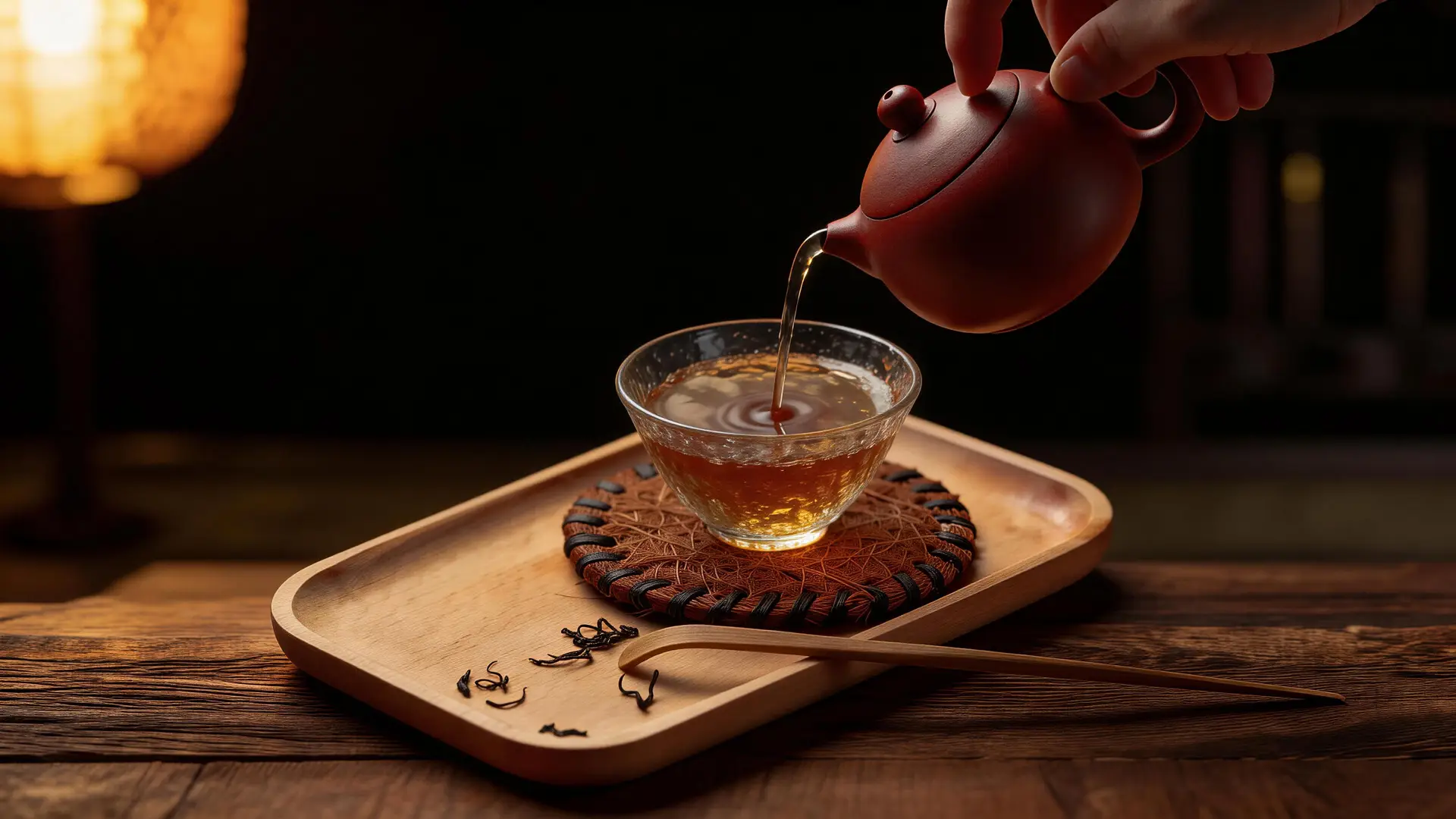
Gongfu Cha (the “skillful tea ceremony”) is the traditional Chinese way to brew pu’er, designed to extract the tea’s full complexity through multiple short infusions. Ideal for high-quality raw/ripe pu’er cakes, tuocha, or loose-leaf.
What You’ll Need:
• 5–7g of pu’er tea (1–2 tsp, or a small piece from a compressed cake)
• 100–150ml Gaiwan (lidded bowl) or Yixing clay teapot (Yixing enhances flavor over time)
• Filtered spring water
• Tea pitcher (Gongdao Bei) to equalize flavor
• Small 30–50ml tasting cups
Step-by-Step Guide:
1. Pre-warm vessels: Rinse the gaiwan/teapot, pitcher, and cups with hot water to maintain a consistent brewing temperature.
2. Awaken the tea (Rinse): Add pu’er leaves to the gaiwan, pour hot water over them, and immediately pour it out (2–3 seconds). This removes dust, opens the leaves, and prepares them for infusion. Never skip this step for pu’er!
3. First Infusion:
◦ Ripe Pu’er: Steep for 5–10 seconds with 95–100°C water
◦ Raw Pu’er: Steep for 10–15 seconds with 90–95°C water
Pour the full infusion into the tea pitcher to stop brewing, then serve.
4. Subsequent Infusions: Pu’er can be infused 8–15+ times. Increase steeping time by 5–10 seconds per infusion to maintain consistent flavor.
5. Savor mindfully: Sip slowly to appreciate the changing flavors with each brew.
Method 2: Western-Style Mug Brewing (Best for Beginners & Daily Use)
A simple, accessible method for daily drinking, no special equipment required.
What You’ll Need:
• 3–5g of pu’er tea (1 tsp)
• 250ml (8oz) ceramic mug
• Filtered water
• Tea infuser or strainer
Step-by-Step Guide:
1. Pre-warm your mug: Rinse with hot water to keep the tea warm.
2. Add tea: Place leaves in an infuser and lower into the mug.
3. Pour water and steep:
◦ Ripe Pu’er: 95–100°C water, steep 3–5 minutes
◦ Raw Pu’er: 90–95°C water, steep 2–3 minutes (avoid over-steeping to prevent bitterness)
4. Remove the infuser: Stop brewing and enjoy. Re-infuse leaves 2–3 times for extra cups.
Common Mistakes to Avoid:
• Using water that’s too hot for raw pu’er (causes extreme bitterness)
• Skipping the tea rinse (leaves dust and off-flavors)
• Over-steeping (ruins the tea’s balanced flavor)
• Using chlorinated tap water (masks natural tea notes)
How to Store Pu'er Tea for Aging
One of pu’er’s most unique traits is that it improves with age. Proper storage is essential to let your tea ferment naturally and develop complex flavors.
General Storage Rules for All Pu'er
• Cool, Dry, & Well-Ventilated: Store at a consistent 20–25°C (68–77°F) and 55–65% humidity. Avoid direct sunlight, heat sources, and moisture.
• Away from Strong Odors: Pu’er absorbs odors easily. Keep it away from spices, coffee, perfume, and cleaning products.
• Breathable Containers: Use paper, bamboo, clay, or wooden boxes. Never store in airtight plastic—it traps moisture, causes mold, and blocks natural fermentation.
• Separate Raw & Ripe: Store in separate containers to prevent cross-contamination of their distinct flavors.
Storage Tips by Type
• Raw (Sheng) Pu’er: Meant for long-term aging (5–20+ years). Store in a cool, dry closet to let it ferment naturally, transforming from bright/astringent to smooth/sweet.
• Ripe (Shu) Pu’er: Ready to drink immediately, but can be aged 3–5 years to mellow earthy notes and reduce any “wet storage” taste.
Health Benefits of Pu'er Tea (Tradition + Science)
Pu’er has been used in traditional Chinese medicine for thousands of years, and modern research confirms many of its wellness benefits. Note: Pu’er is a wellness supplement, not a replacement for medical treatment.
Key Health Benefits
1. Supports Digestive Health: Ripe pu’er is especially effective at reducing bloating, soothing the stomach, and breaking down fatty foods—perfect as an after-meal tea.
2. Boosts Metabolism & Weight Management: Pu’er polyphenols help boost metabolism, reduce fat absorption, and regulate blood lipid levels, supporting healthy weight management.
3. Rich in Antioxidants: Raw pu’er is packed with catechins and antioxidants that fight free radicals, reduce inflammation, and support cellular health.
4. Cardiovascular Support: Regular consumption may lower LDL (“bad” cholesterol) and triglycerides, supporting heart health.
5. Calm, Sustained Energy: Pu’er combines caffeine and L-theanine to provide focused, jitter-free energy, improving mental clarity without the crash of coffee.
6. Gut & Immune Health: The fermentation process creates beneficial probiotics that support gut health and boost the immune system.
Caffeine Content
A typical cup of pu’er has 30–60mg of caffeine, compared to 95mg in a cup of coffee. Ripe pu’er has slightly less caffeine than raw pu’er, making it gentler for sensitive drinkers.
Hi! This is kind of off topic but I need some advice from an established blog. Is it difficult to set up your own blog? I’m not very techincal but I can figure things out pretty quick. I’m thinking about setting up my own but I’m not sure where to start. Do you have any tips or suggestions? Thanks