
Blog
Jinjunmei Black Tea: A Honey-Fragranced Treasure from Wuyi, Unlock the Warm Charm of Oriental Black Tea

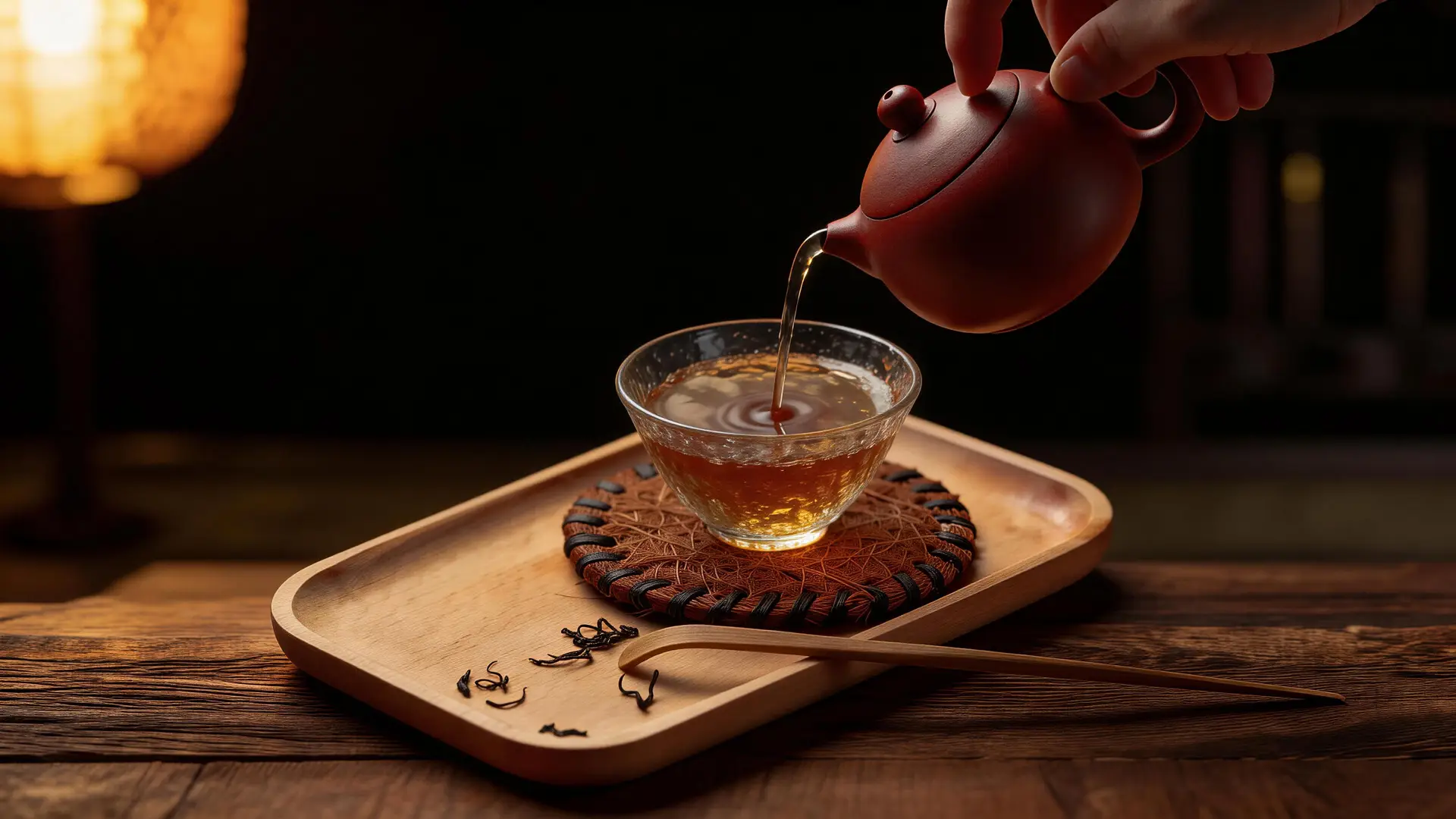
As the afternoon sun filters through the window, boil a pot of hot water, take a pinch of Jinjunmei, and watch the slender tea buds unfurl in the water, with amber tea slowly brewing and a faint honey and fruit aroma lingering in the air — this is the healing moment that Jinjunmei brings. As one of the most representative treasures among Chinese black teas, Jinjunmei not only carries the delicate spirit of the Wuyi Mountains but also becomes a cross-border favorite with its unique taste. Even British tea lovers who pursue a refined life are deeply moved by its warmth and fragrance.
Today, let’s step into the world of Jinjunmei together, exploring its origin, characteristics, brewing secrets, and why it has become a "favorite" among black tea enthusiasts, making it an excellent choice for your daily drinking and gifting to relatives and friends.
1. Origin of Jinjunmei: The "New Noble" of Black Tea in the Depths of Wuyi
Jinjunmei was born in Tongmuguan, Wuyi Mountain, Fujian Province — the birthplace of world black tea and the core producing area of Lapsang Souchong. Different from the robustness of traditional Lapsang Souchong, the emergence of Jinjunmei has broken people’s inherent perception of black tea. In the early 21st century, based on the fine tea tree varieties of Lapsang Souchong, tea makers selected single buds or one bud with one leaf of fresh tea leaves, and made them through multiple traditional processes such as careful withering, rolling, fermentation, and drying. It is an extremely delicate category of black tea.
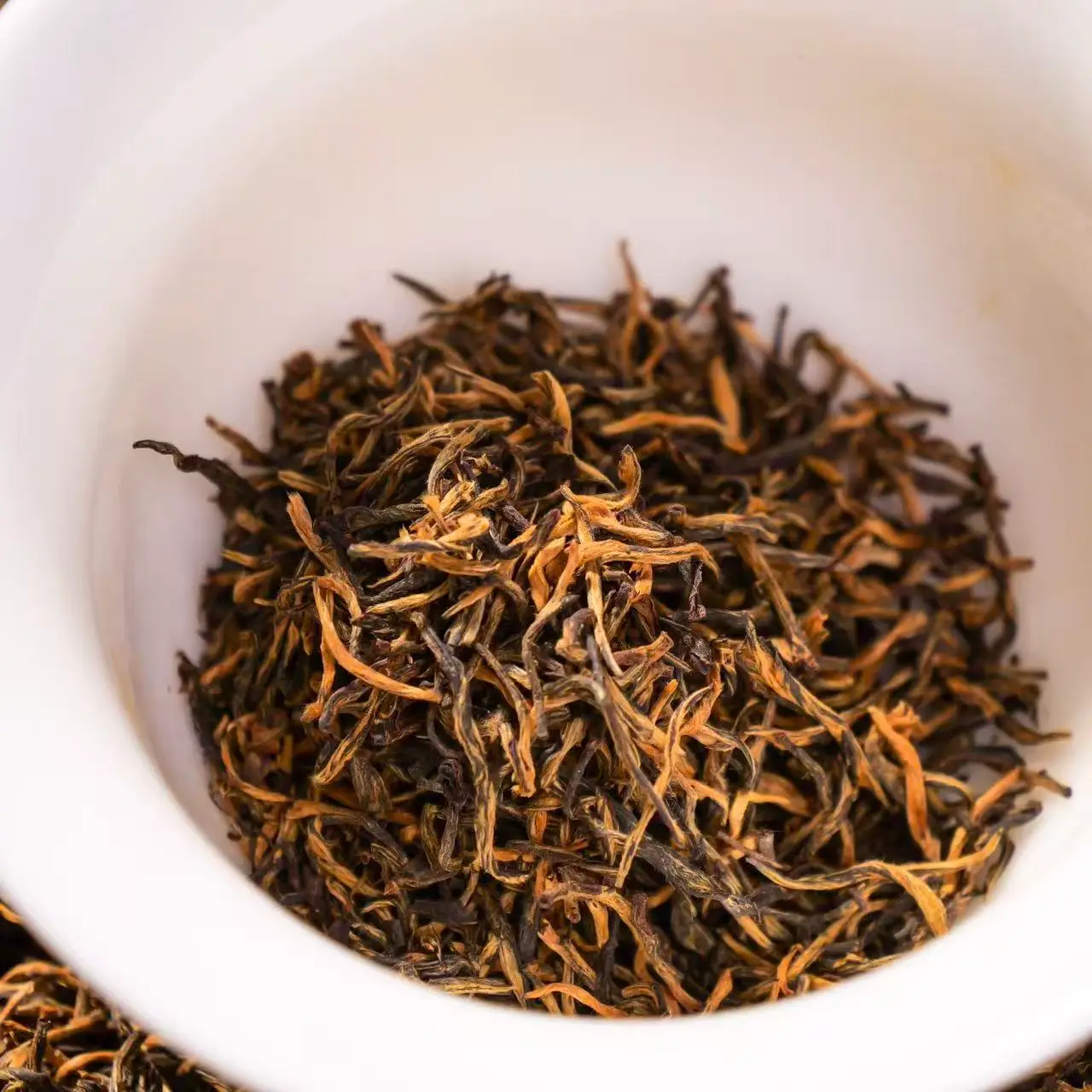
"Jin" (gold) refers to the color of the tea buds — the dry tea is golden yellow, with slender and neat strips and a natural luster; "Jun" (steed) implies the upright and stretching of the tea buds, as dynamic as a galloping steed; "Mei" (eyebrow) describes the shape of the tea buds, slender like eyebrows, elegant and vivid. The name itself is poetic, which appropriately interprets its appearance and temperament.
It is worth mentioning that the production of Jinjunmei is extremely strict. Every 500 grams of Jinjunmei requires tens of thousands of fresh tea buds, and the whole process is handmade without mechanical intervention, which maximizes the retention of the natural nutrition and aroma of the tea buds — this is the core reason why it is so precious.
2. Core Characteristics of Jinjunmei: Recognize the Treasure at a Glance, Remember the Taste in One Sip
To judge the quality of a Jinjunmei, you can quickly distinguish it from four dimensions: "shape, aroma, color, and taste", even for beginners.
1. Shape: Slender and Neat, with Visible Golden Hairs
High-quality dry Jinjunmei has slender and long strips, neat without crumbs, plump and upright tea buds, covered with dense golden hairs on the surface, showing a mix of golden yellow and jet black with a full luster. Take a pinch, it feels light without heaviness — this is because it is made of fresh tea buds with low water content and exquisite craftsmanship. On the contrary, if the dry tea is dull in color, has many crumbs, and no golden hairs, it is probably an inferior counterfeit.
2. Aroma: Dominant Honey Fragrance, Rich Layers
The aroma of Jinjunmei is its most distinguishable feature and the most fascinating part. When dry, you can smell a faint honey fragrance mixed with a hint of fruit aroma (mostly lychee or longan fragrance), fresh and non-irritating. After brewing, the aroma becomes more intense — honey fragrance mixed with flower fragrance spreads slowly in the air, and the aroma is long-lasting. Even after multiple brews, a faint residual fragrance can still be smelled. This aroma is not artificially added, but a natural aroma released by the tea buds during the natural fermentation process, warm and healing.
3. Soup Color: Amber and Transparent, Clear and Clean
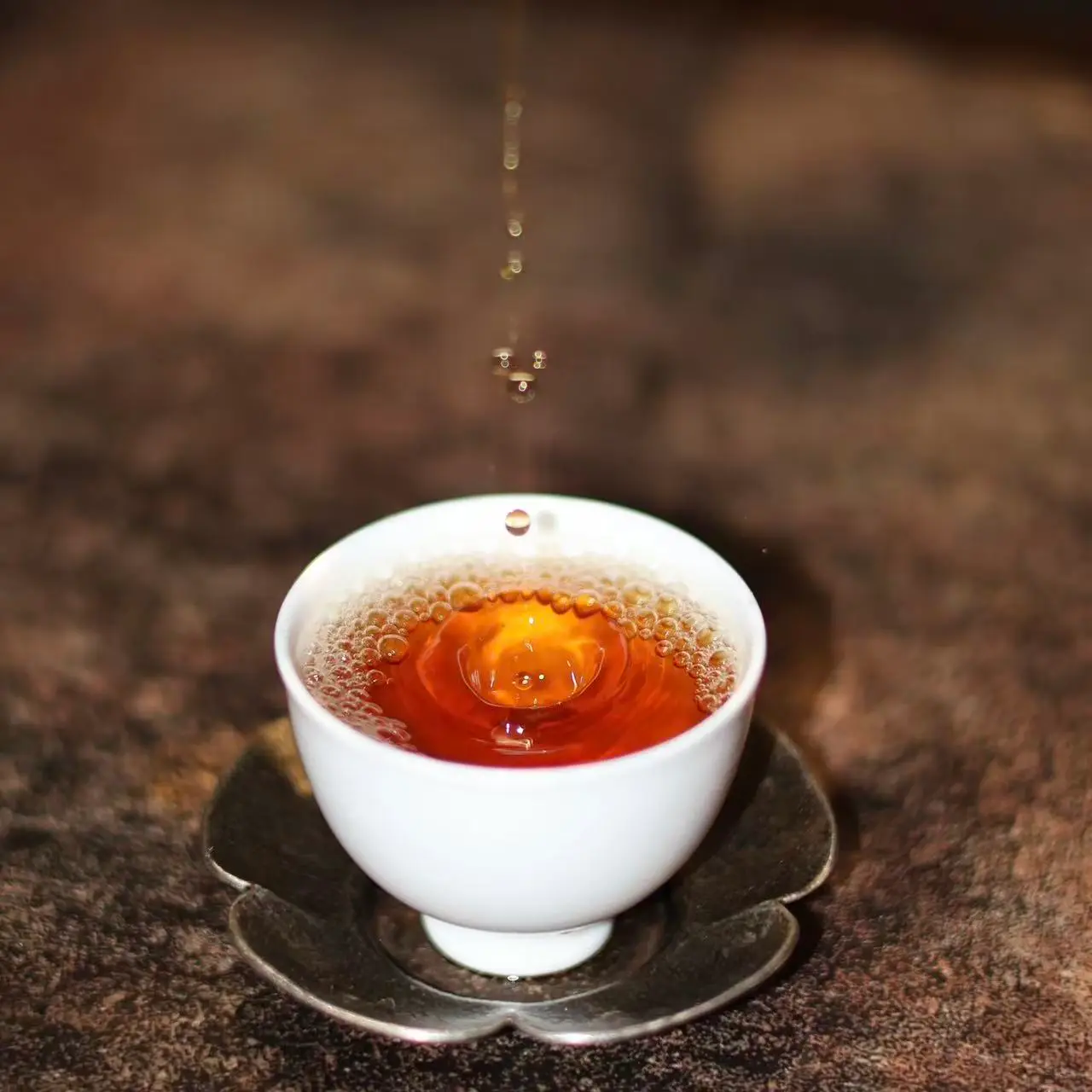
After brewing, Jinjunmei’s tea soup is bright amber, clear and transparent without impurities or turbidity. Shake the teacup gently, the tea soup will cling to the cup, leaving a faint aroma on the cup wall. If the soup color is dull, turbid, or dark red, it indicates that the tea quality is poor or the brewing method is improper.
4. Taste: Smooth and Sweet, Warm Without Astringency
This is the most touching part of Jinjunmei. When you take the first sip, there is no astringency of traditional black tea, but it is extremely smooth and silky. The tea soup melts in your mouth, with honey and fruit fragrance spreading on your tongue, and the sweetness returns quickly. After drinking, a faint sweet feeling remains in your throat for a long time. Even people who don’t drink black tea often can easily accept its taste — warm and non-irritating, suitable for daily drinking and even on an empty stomach (gentle and not harmful to the stomach).
3. Must-See for Beginners: The Correct Way to Brew Jinjunmei to Unlock the Best Taste
Many people buy high-quality Jinjunmei but waste its aroma and taste due to improper brewing methods. In fact, brewing Jinjunmei is not complicated. Master these key steps, and even beginners can brew delicious Jinjunmei, especially suitable for British tea lovers to brew at home or in the office.
1. Prepare Utensils
The first choice is a glass or a white porcelain gaiwan (capacity 150-200ml). A glass allows you to clearly see the unfolding process of the tea buds, while a white porcelain gaiwan can better lock the aroma and highlight the color of the tea soup. No complicated utensils are needed — a simple cup can brew a good taste.
2. Tea Quantity
For beginners, it is recommended to put 3-5 grams of tea (about a pinch) with 150ml of hot water. The ratio is moderate, which can highlight the aroma without being too strong. If you like a lighter taste, you can reduce the amount of tea; if you like a stronger taste, you can increase it appropriately, but it should not exceed 6 grams, otherwise, it is easy to have astringency.
3. Water Temperature Control
Jinjunmei’s tea buds are tender, so the water temperature should not be too high. The optimal water temperature is 90-95℃. If the water temperature is too high, it will destroy the nutrients in the tea buds, leading to aroma loss and astringent taste; if the water temperature is too low, it will not be able to fully extract the aroma and taste of the tea soup, resulting in a light taste.
It is recommended to boil the water, let it stand for 30 seconds until the water temperature drops to 90-95℃ before brewing, which can maximize the retention of the natural flavor of Jinjunmei.
4. Brewing Steps
① Warm the Cup: Rinse the glass/gaiwan with hot water to preheat the utensils. It can not only clean the utensils but also make the temperature of the tea soup more uniform in subsequent brewing and lock the aroma.
② Add Tea: Put Jinjunmei into the preheated utensils and shake gently to make the tea buds evenly distributed.
③ Pour Water: Slowly pour hot water along the wall of the cup, avoiding direct impact on the tea buds to prevent them from breaking, which will affect the taste and shape.
④ Serve Tea: The first brew is "tea washing". After pouring water, let it stand for 5 seconds, pour out the tea washing water quickly (tea washing can remove the dust on the surface of the tea buds and awaken the tea nature); the second brew should be left for 8-10 seconds to serve, the third brew for 12-15 seconds, and each subsequent brew can be extended by 5-10 seconds appropriately. Generally, it can be brewed 5-7 times, and the aroma and taste are still good.
5. Small Tips
When brewing, do not cover the cup tightly, leave a gap to let the aroma散发 naturally; after drinking, you can take out the tea buds and observe their shape. High-quality Jinjunmei still has plump and stretched tea buds with a fresh color after brewing.
4. Drinking Value of Jinjunmei: Not Only Delicious, But Also Warm and Nourishing
Jinjunmei not only has an excellent taste but also contains rich nutrients. Drinking it daily can not only bring pleasure to the taste buds but also provide gentle nourishment. It is especially suitable for drinking in autumn and winter, and also fits the temperate climate in the UK.
① Gentle on the Stomach: Jinjunmei is a fully fermented black tea with a mild nature and no irritating substances. It can gently nourish the stomach, relieve stomach discomfort, and is suitable for people with weak stomachs and even on an empty stomach.
② Nutrient Supplement: Jinjunmei is rich in tea polyphenols, amino acids, vitamins, and other nutrients. These ingredients can help remove free radicals in the body, supplement the nutrients needed by the body, and drinking it in moderation for a long time is beneficial to the body.